
Become A Winning Poker Player In 30 Days
 Written by Collin Moshman and Katie Dozier
 Beginner-friendly
 30 videos, 14min/lesson(avg.)
Published by CardsChat, Become A Winning Poker Player In 30 Days is an interactive training course written by poker experts, designed to help beginners learn how to play poker and intermediate players improve their overall game.
Ready to become a winning poker player In 30 Days?
Become a winning poker player in 30 days
About the Course
The course covers everything from understanding pot odds and EV to the art of the check-raise and defending the big blind.
Intended to be taken over a series of 30 days, each progressive lesson is accompanied by a video in which authors Collin Moshman and Katie Dozier build on each daily topic with extra explanations, hand reviews, tips, and quizzes. The course is an amazing way to learn how to play like the best poker players around. Players requiring extra help can also contact Collin and Katie through the CardsChat forum.
Enjoy Our Free Poker Video Training Course
“This is an awesome tool and I can’t believe it is free. I will be using these tools immediately. You guys are great”

To get started, make sure you’ve logged in to CardsChat so you can download the eBook. If you don’t have an account, you can register for free!
You’ll then be ready to use the eBook alongside the videos.
Download the eBook (PDF)
Who Will Benefit From The Course?
Beginner and intermediate poker players who already know how to play and understand the basics of the game should primarily benefit from the course. However, it also serves as a great refresher for more experienced players.
Meet The Course Creators
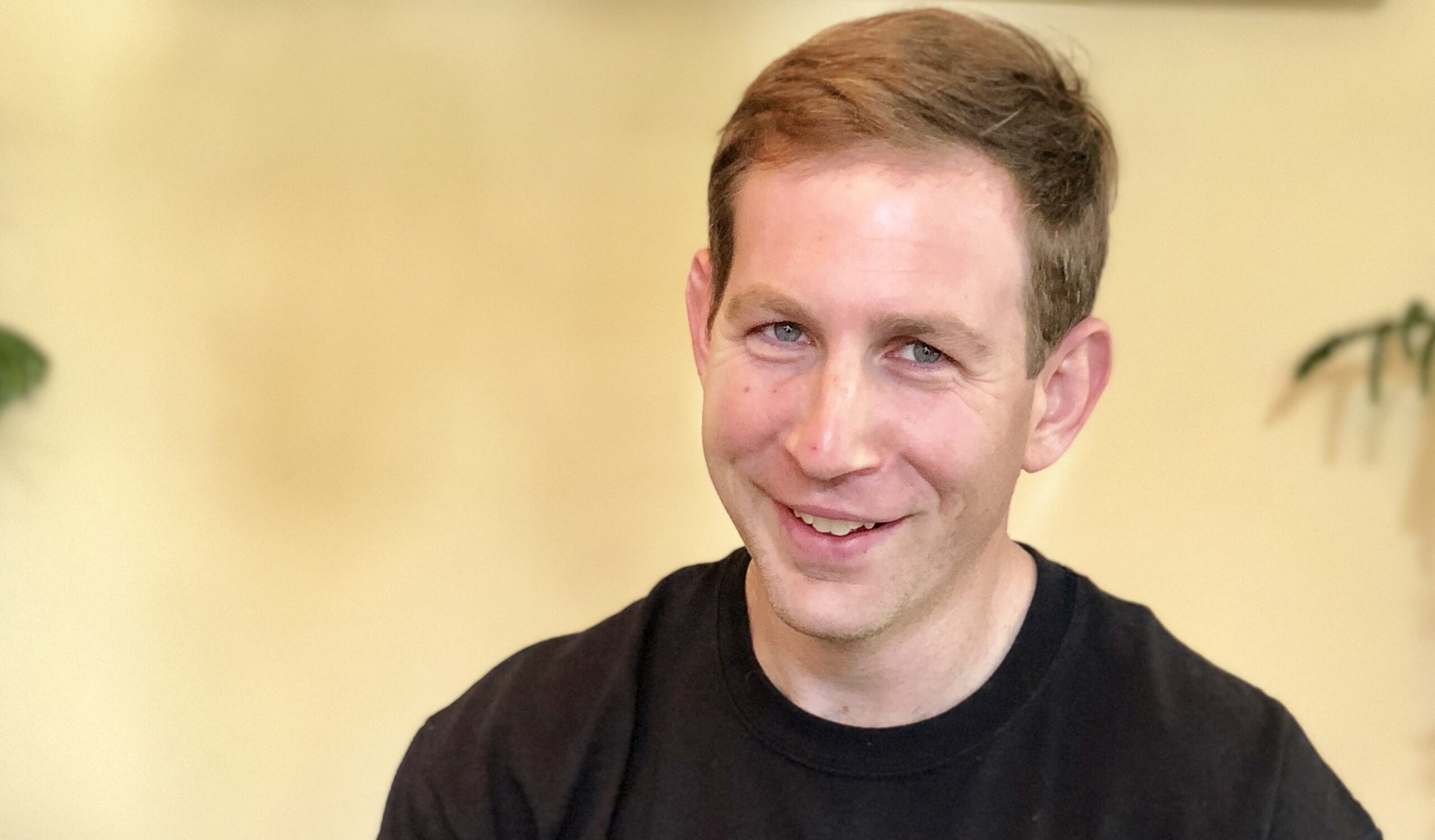
Collin has penned numerous books, including the classic Sit’N’Go Strategy. Holding an honors degree in theoretical math from the California Institute of Technology, the SNG specialist has almost $3 million in online cashes.

SNG specialist and poker author Katie has played over 100,000 online poker tournaments. Achieving one of the highest ROI’s ever at nine-player super-turbos, she has over $1 million in online cashes.
Day 1 – The Power of Position
In poker, people say “Position is Power,” and they’re completely right. Day 1 is all about understanding the different positions in poker, including what each one is called and the order in which they act.
The Power of Position
The Power of Position (Day 1 Course Discussion)
Day 2 – The Benefits of Aggression
Think about the players that you enjoy having as opponents. Who would you rather play against: a passive opponent who’s mainly checking and calling? Or a loose or tight aggressive opponent who regularly plays back at you? Day 2 is about understanding which actions in poker are passive, neutral, and aggressive.
The Benefits of Aggression
The Benefits Of Aggression (Day 2 Course Discussion)
Day 3 – Thinking in Ranges
Day 3 is about learning to put your opponents on a range of hands. Doing this is important because their actions will almost always be consistent with multiple holdings. So instead of getting caught up in just one of the poker hands your opponent might have, the best way to think is in terms of your opponent’s potential range of different holdings.
Thinking In Ranges
Thinking In Ranges (Day 3 Course Discussion)
Day 4 – The Two Types of Equity
You and your opponents all have equity in each pot that you play, and that equity changes with each new betting round. Here, you will learn the concept of your equity in a pot as a poker hand progresses.
The Two Types Of Equity
The Two Types Of Equity (Day 4 Course Discussion)
Day 5 – Understanding Pot Odds and Expected Value
Day 5’s lesson covers the last of the big fundamental concepts before moving on to strategy. We will be going through what pot odds are and how to calculate them. Tip: the CardsChat Poker Odds Calculator is free to use!
Understanding Pot Odds and Expected Value
Understanding Pot Odds and Expected Value (Day 5 Course Discussion)
Day 6 – The Guide to Pre-Flop
We believe that pre-flop is the most important of the four betting rounds. Understanding pre-flop calling hand ranges helps you decide what ranges to play from each position and the many factors affecting the pre-flop decision-making process.
The Guide to Pre-Flop
The Guide To Pre-Flop (Day 6 Course Discussion)
Day 7 – Value Betting
This lesson explains the concept of value betting in poker, and how understanding this important element of betting will help you make the most of your strongest poker hands.
Value Betting
Value Betting (Day 7 Course Discussion)
Day 8 – Should You C-Bet?
Day 8 covers what a ‘continuation bet’ is and why they’re important. You’ll learn about why c-betting should be your default play in certain situations and how you can continue to seize the betting lead by betting the flop, whether you’ve hit or missed.
Should You C-Bet?
Should You C-Bet? (Day 8 Course Discussion)
Day 9 – Dueling Concepts: Implied Odds and Reverse Implied Odds
This lesson on poker odds covers the concepts of implied odds and reverse implied odds, explaining the types of situations where they are particularly useful. You will learn the concept of how you can win more money from opponents with implied odds and how you can profitably make tight folds in situations with bad reverse implied odds.
Implied Odds and Reverse Implied Odds
Implied Odds and Reverse Implied Odds (Day 9 Course Discussion)
Day 10 – The Key to Playing Draws
Day 10 covers how to use pot odds and implied odds in helping you to decide if you’re correct to call with a draw. You’ll also learn what semi-bluffing is and how making this play when your opponent has shown weakness is extremely profitable.
The Key To Playing Draws
The Key To Playing Draws (Day 10 Course Discussion)
Download the eBook (PDF)
Day 11 – The Art of Bluffing
Bluffing is definitely an important skill to master. This lesson will teach you the five best bluffing spots and what makes them good for getting your opponent(s) to fold.
The Art Of Bluffing
The Art of Bluffing (Day 11 Course Discussion)
Day 12 – Ask Yourself This Question Every Time You Bet the River
Day 12’s lesson is about understanding the fundamental question we need to ask when betting or raising the river. We’ll cover what this question is, how to answer it, and why it’s most applicable to the river.
Ask Yourself This Question Every Time You Bet The River
River Betting (Day 12 Course Discussion)
Day 13 – Power Poker: When to Shove Pre-Flop
A significant part of winning poker play comes from making good decisions pre-flop, whether that’s folding, calling, or raising. In this lesson, you’ll learn the five guidelines for when to shove pre-flop instead of making a different play.
When To Shove Pre-Flop
When to Shove Pre-Flop (Day 13 Course Discussion)
Day 14 – What is ICM?
Day 14’s lesson will cover what ICM (the Independent Chip Model) is and how using it helps you to make money-winning decisions, especially at the final tables of multi-table poker tournaments.
What Is ICM?
What Is ICM? (Day 14 Course Discussion)
Day 15 – Game Selection and Midterm Exams
You’ve made it halfway through! Day 15’s lesson gives you a chance to test your knowledge as Collin looks back at the principles explained in the course so far, from how to play poker for beginners to the concept of game selection – one of the biggest factors in your poker strategy that will affect how much you win.
Game Selection
Game Selection (Day 15 Course Discussion)
Day 16 – Pot Control and Hand Planning
To be a great poker player, you need to think ahead in the hand. It doesn’t have to be an elaborate plan, but – bearing in mind things like pot size and effective stacks – you should have a basic idea of how you’ll respond to your opponent’s actions as the hand plays out.
Pot Control and Hand Planning
Pot Control and Hand Planning (Day 16 Course Discussion)
Day 17 – Three Keys to Playing the Late Streets
If all hands could be categorized as made hands or draws, then the day on draws could be half the book! Similarly, in flop games like Texas Hold’em and Omaha, the turn and river together account for half the betting rounds you play, so it’s vital to know the guidelines for playing these ‘late streets’.
Three Keys To Playing The Late Streets
Playing the Turn and the River (Day 17 Course Discussion)
Day 18 – Logic and Hand Reading
In this chapter, we will focus on using your opponent’s betting patterns to come up with a likely range of poker hands they might be holding.
Logic And Hand Reading
Logic And Hand Reading (Day 18 Course Discussion)
Day 19 – Playing the Small Blind
The small blind and big blind are unique positions because you’re forced to put money into the pot, giving you a discount on playing the hand. Day 19 addresses optimal play from the small blind.
Playing The Small Blind
Playing the Small Blind (Day 19 Course Discussion)
Day 20 – Variance and Bankroll Management
Poker can be unpredictable. Just like weaker players can have winning streaks, good players can also win much more than their EV, or lose money, over a given period of time.
There are two primary factors influencing how large a poker bankroll you need to weather these swings: your edge and the format you’re playing.
Variance And Bankroll Management
Poker Variance and Bankroll Management (Day 20 Course Discussion)
Download the eBook (PDF)
Day 21 – Tracking Software
Poker tracking software is just one of the poker tools in your arsenal that can give you a significant edge against your opponents. Chapter 21 shows you some of the most valuable statistics and how to interpret them.
Tracking Software
Tracking Software (Day 21 Course Discussion)
Day 22 – Playing Unpredictably
Whether you need to play unpredictably, like most elements of your poker strategy, depends on your opponents.
While weak opponents will not be observing or exploiting predictable tendencies in your game, the greater the opponent you face, the greater the need for unpredictable play.
Playing Unpredictably
Playing Unpredictably (Day 22 Course Discussion)
Day 23 – Short-Handed and Heads-Up Play
Many people assume there are big differences between heads-up, short-handed, and full ring play. While there are some key considerations to bear in mind, the differences are not as great as you might imagine.
So, this lesson focuses on a guiding principle: for any given position, hands play similarly, no matter how many players are at the table.
Short-handed and heads-up play
Short-Handed and Heads-Up Play (Day 23 Course Discussion)
Day 24 – The Underrated Mental Game
There are many factors that significantly impact your results. One of the most important and often underestimated factors is the mental game. Tilt can turn a winning player into a losing player, so learning to play your ‘A-game’ as often as possible is an important lesson.
The Underrated Mental Game
The Underrated Mental Game (Day 24 Course Discussion)
Day 25 – More ICM, It’s That Important!
In the last ICM lesson on Day 14, we looked at general principles we can learn from the Independent Chip Model. In this lesson, we’re going to look at how to use ICM to generate specific ranges in crucial stages of a multi-table tournament.
More ICM
More ICM – It’s That Important! (Day 25 Course Discussion)
Day 26 – Defending the Big Blind
While there are many factors that determine how wide you should defend your blind, there are two strategy considerations that are most important: how much your opponent is raising, and whether you will have position post-flop.
Defending The Big Blind
Defending The Big Blind (Day 26 Course Discussion)
Day 27 – The Art of the Check-Raise
In the early days of poker, it was considered ungentlemanly to deceive your opponents by raising after checking. Now, however, the check-raise is a vital part of playing out of position and an essential move in any successful strategy. Day 27’s lesson looks at the important guidelines for check-raising effectively.
The Art Of The Check-Raise
The Art of the Check-Raise (Day 27 Course Discussion)
Day 28 – Exploiting Tourney Risk Aversion
One of the biggest factors in determining the strategy you should use late in a tournament is your relative stack size. This lesson looks at how you should approach the final table, whether you’re playing a short, medium, or big-stack, and how your opponents’ aversion to risk can be exploited.
Exploiting Tourney Risk Aversion
Exploiting Tourney Risk Aversion (Day 28 Course Discussion)
Day 29 – Floating
Floating – calling the flop in position in order to bluff the turn – was once considered a rare play, but today can be a profitable addition to your poker strategy. Day 29 looks at the conditions most favorable to successfully floating the flop.
Floating the flop in Texas Hold’em
Floating (Day 29 Course Discussion)
Day 30 – Winning at Poker: The Final Exam!
Now that you’ve completed the previous lessons, it’s time to put you to the test! Looking at hands from a wide range of games and formats, can you use the poker strategy knowledge you’ve gained over the previous 29 lessons to identify the correct actions in each scenario?
This final video helps to underline and highlight the 10 biggest keys to winning at poker that you’ve already studied.
The Final Exam
The 10 Biggest Keys to Winning at Poker (Day 30 Course Discussion)

Congratulations!
You’ve reached the end of the course. CardsChat community members can request a course completion badge to display in their CardsChat profile, and 15 VIP Chips. Click the buttons below to claim your badge and chips.
Check out the CardsChat VIP Program Guide to learn all about our VIP Program.