Lesson description
212 is a milder version of the Martingale system, but should you play it? Mr Blackjack covers the basics of this betting strategy so you can make smarter bets.
The 212, also known as the Manhattan betting strategy, seems simple initially. But we will show you that it caps your downside, takes profit when you win, and also has a progressive betting pattern that maximizes your bankroll if you go on a hot streak.
Like the 1326 system, the 212 Manhattan strategy treats bets like units. You increase your bet after you win two hands in a row and for every hand after that.
Should you lose a hand, you drop your bet back down to two units, or one if you were already betting one or two units. Here is what it looks like in action.
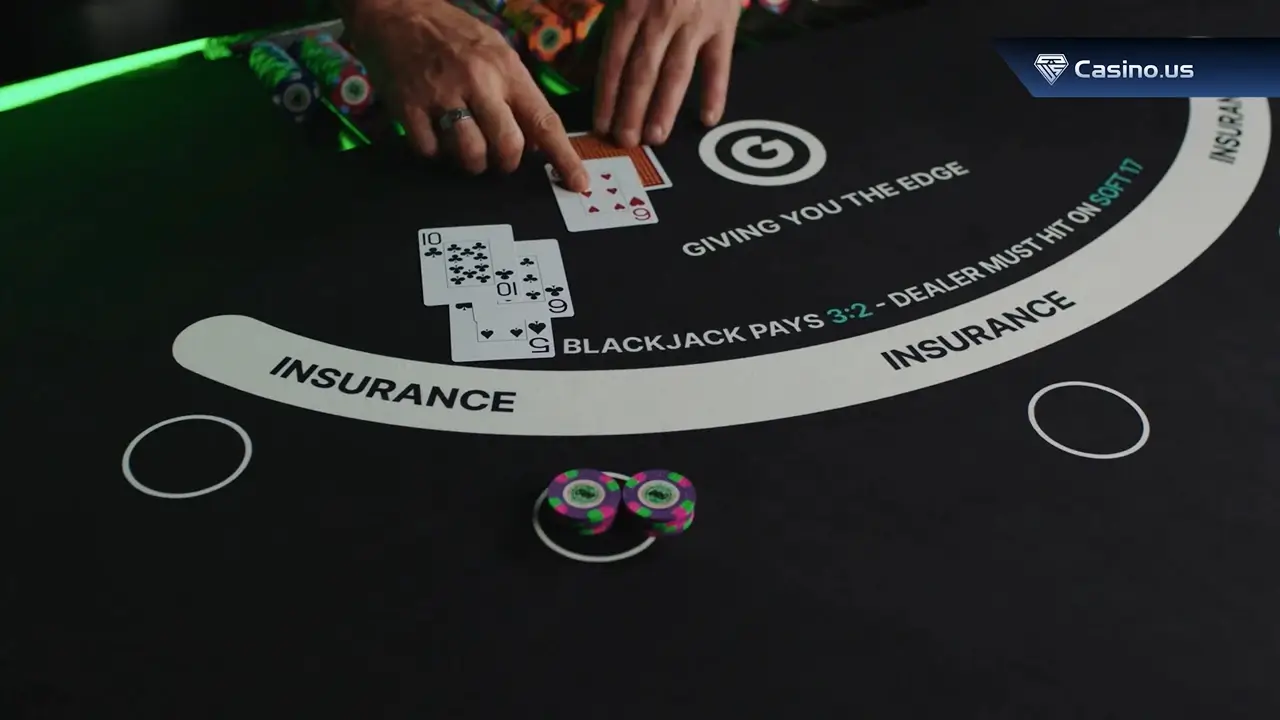
If your standard wager is $10, let's make $10 equal to one unit. You start by betting two units, or $20.
If you win, you drop down to one unit, taking profit off the table and wagering the one from 212. Should you lose that bet you continue your one unit, since that is where you are in the sequence. Should you win that hand, your next bet will be two units.
Now, you are in the second two of your 212 sequence. If you win that hand again, you should increase your bet to three units.
Continue to add one unit to every previous bet until you lose. Should you lose, you drop your bet back down to two units and repeat the cycle.
This betting strategy is all about safety and capping the downside. It also rewards you when you are running hot by progressively adding to your wager as you keep winning.
You also have to remember that hot streaks of 6-10 hands in a row don’t happen often. Most players play a variation of the 212 and find their own optimal strategy.
You don't need a huge bankroll to try this strategy. $100 will do since you only bet big when you are winning big, and the bets are not exponential. This is a good strategy to use, and most players play a similar version of Manhattan without knowing it.
Check out our next videos, where we discuss more betting strategies in blackjack.