Lesson description
Standing may not be exciting, but it’s effective. Mr Blackjack covers how basic strategy will guide you around the best and worst hands to stand on in 21.
Standing isn't the most exciting move in blackjack, but it's one all players should consider more often than they do.
In many instances at the blackjack table, you will find it advantageous to stand.
If we are talking about the basics, you should stand on any two cards that equal 17 or more, regardless of the dealer's up-card. You don't want to take a card and risk the chance of going over 21 and busting.
The basic strategy behind standing gets trickier on hand values of 12-16. In this instance, you always look at the dealer's up-card to guide you. Basic strategy will dictate when you stand, and when you hit, based on that card.
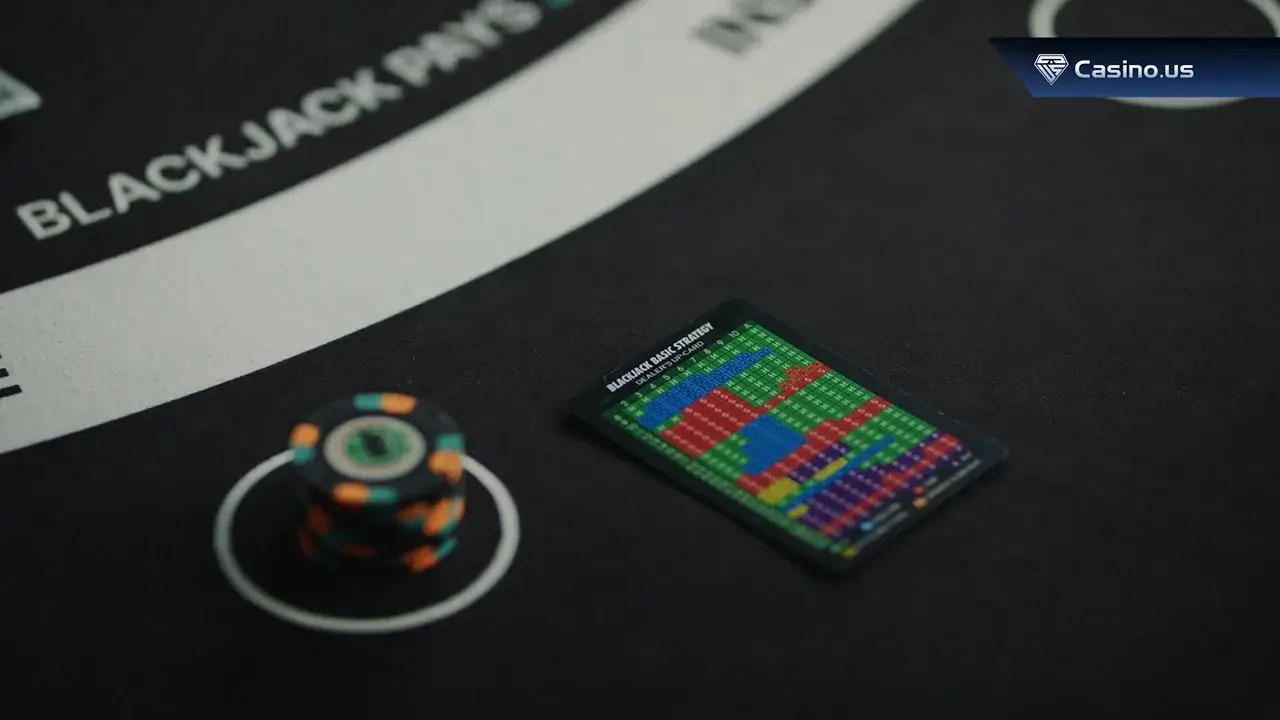
If the dealer is showing a bust card between 2-6, the math will tell you that it is better to stand and not take any more cards if you have 13 and over. The 12 is a tricky one, and we will ask you to refer to the strategy chart provided to you by Casino.us as to when to hit and when to stand when you have 12.
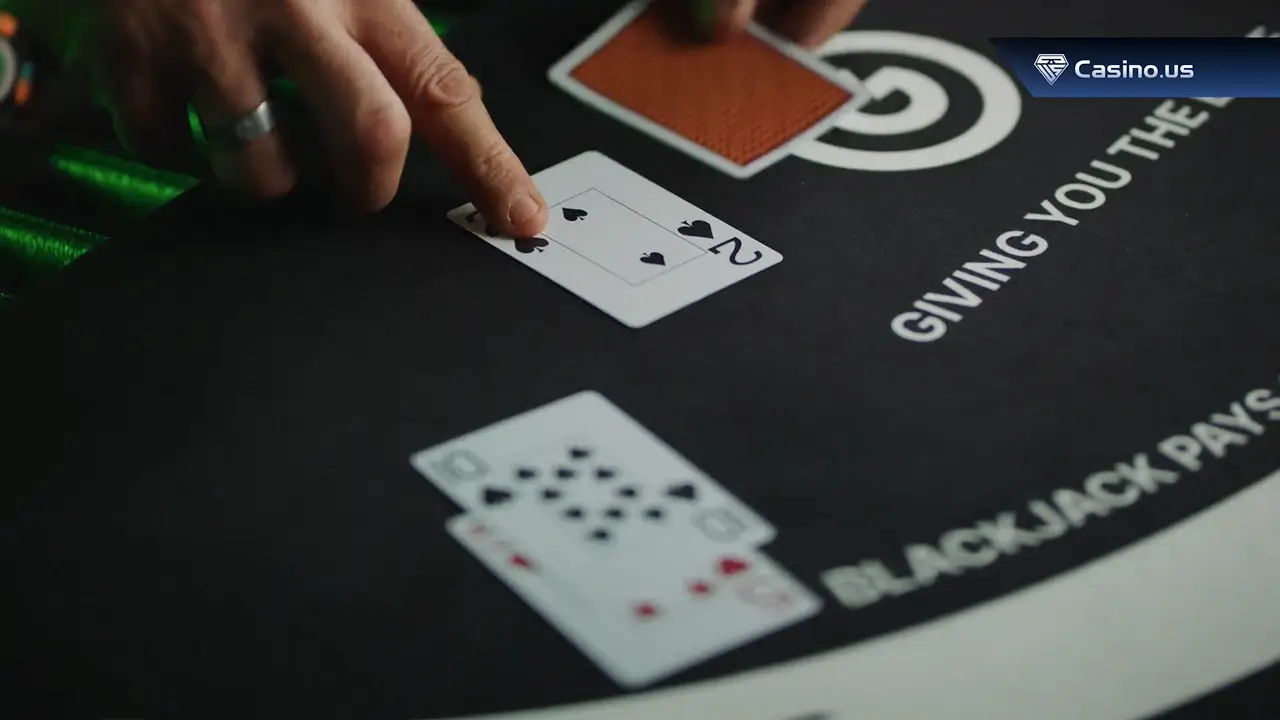
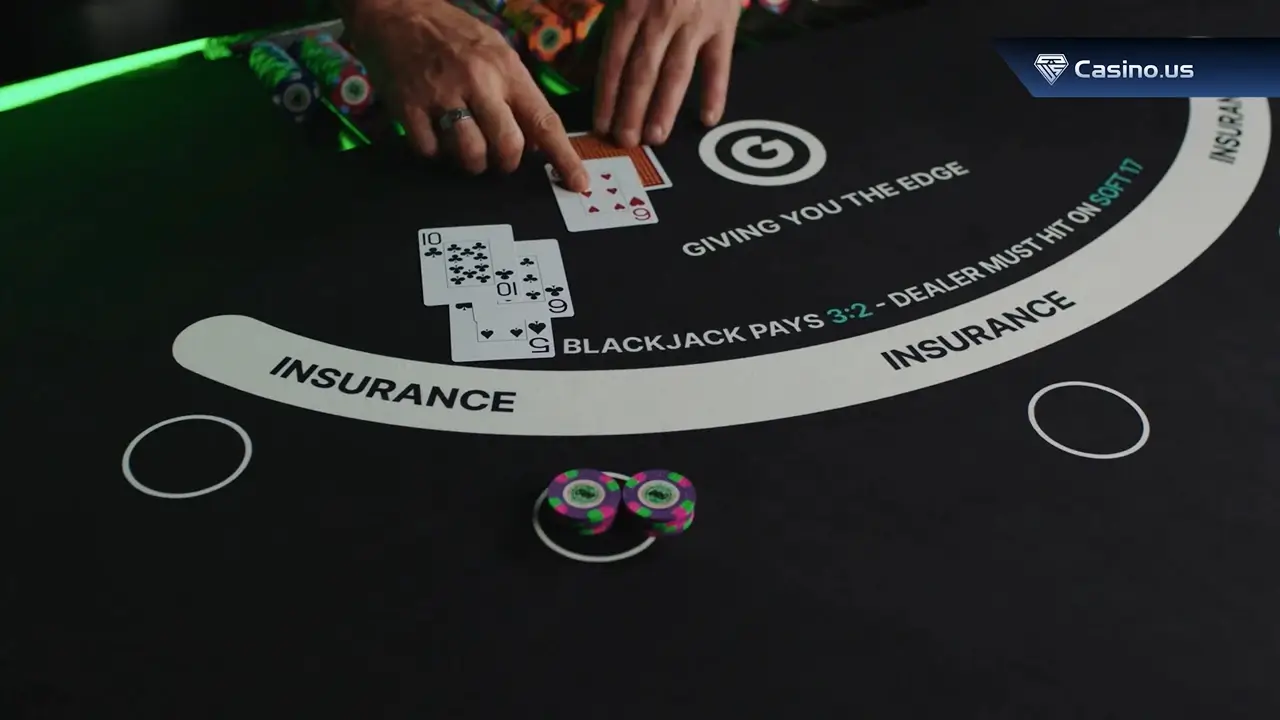
Here are a few examples on when to stand:
- Player 13 on a dealer 2
- Player 17 on a dealer 9
- Player 12 on a dealer 6
It's likely the dealer will bust on these hands, so you're better off staying in the game on a weaker hand and waiting for the dealer to lose.
So, to recap. You should stand if:
- Your hand value is 17 or more
- You have 13 on a dealer's 2
- You have 17 on a dealer's 9
- You have 12 on a dealer's 6
Next, we're going to look at split, one of the most fun moves in blackjack. Learn the best and worst hands for splitting with us, next.